


Sustainability efforts that aren't grounded in materiality are just guesswork
Good.Lab's consultants help you identify which ESG issues actually matter to your business and stakeholders. Our ESG materiality assessment turns those findings into a foundation you can act on, report from, and stand behind
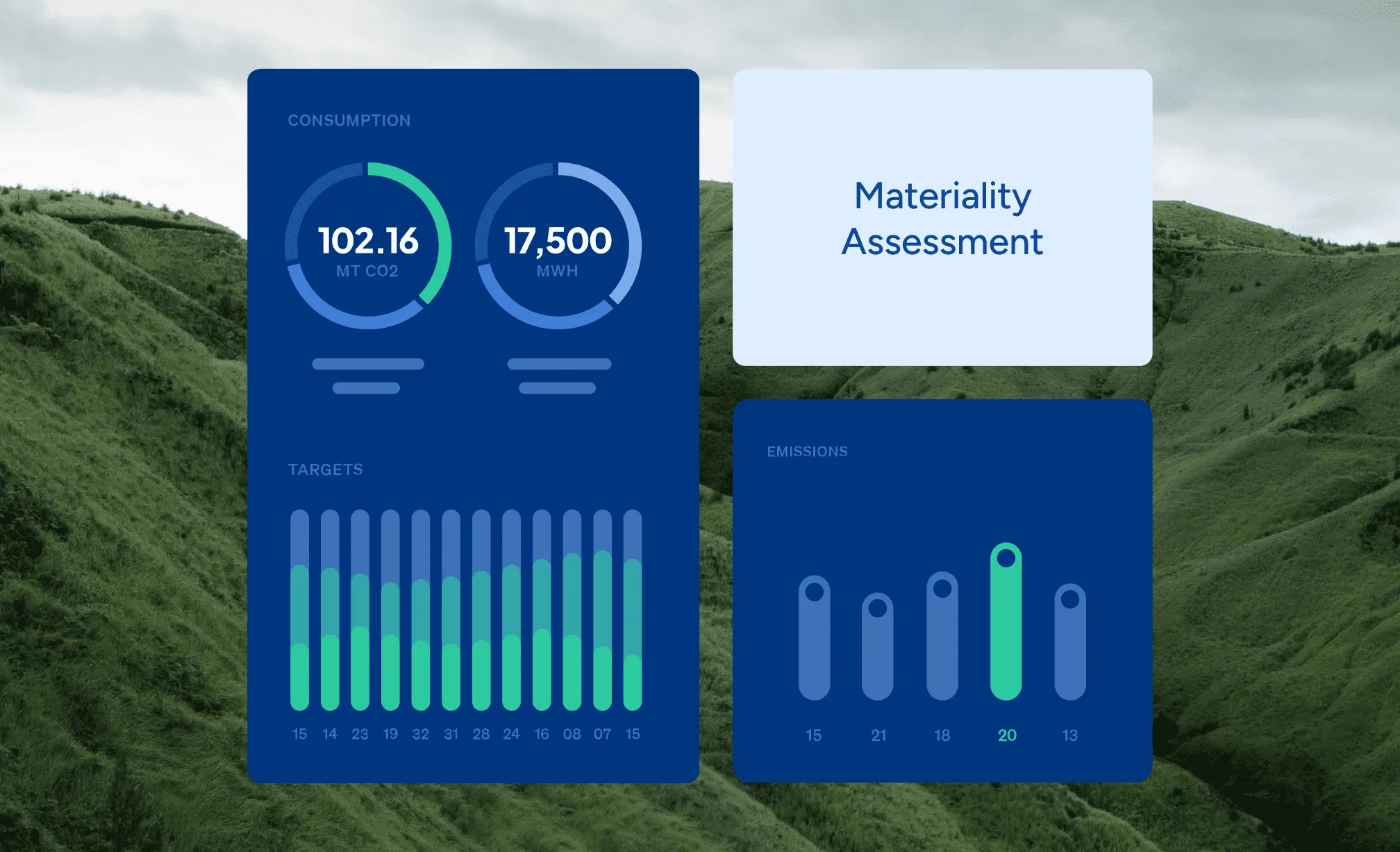


A materiality assessment built to do more than sit in a deck
Most assessments produce a matrix. We produce priorities your team can actually use.
Stakeholder engagement

Topic identification and prioritization

Strategy and disclosure alignment

Heading

Most sustainability programs have a foundation problem
It isn't effort or intent. It's that without materiality, there's no principled way to decide what to work on first.
Foundation first
Applies to any US company with over $1 billion in revenue doing business in California. Requires verified Scope 1 and 2 emissions, with Scope 3 following in 2027
Rising expectations
Investors, customers, and frameworks like GRI and CSRD expect documented evidence your priorities were determined through a structured process

Compounding value
A well-run assessment shapes your targets, disclosures, and reporting for every cycle that follows
Lasting reference point
Done right the first time, it becomes the foundation every future sustainability decision gets made against







More than 1/3 of all companies
More than a third of all companies requested through CDP's Supply Chain program are manufacturers, and more manufacturers leave requests unanswered than any other sector.
No clear methodology
Without a structured approach, the output reflects whoever had the loudest opinions in the room, not actual business risk.
Stakeholder engagement not holding up
A survey sent to a handful of internal contacts isn't a stakeholder process. Frameworks and auditors can tell the difference.


A matrix that doesn't connect to anything
Most programs stall in the gap between findings and the decisions those findings are supposed to inform.
Stress from frameworks and auditors
GRI and investors expect to see how you arrived at your priorities. Undocumented methodology doesn't hold up under review.

The expertise doesn't stop at materiality.
A materiality assessment is a starting point, not a standalone deliverable. The priorities it surfaces feed directly into your GHG reporting, your CDP disclosure, your EcoVadis submission, and your CSRD preparation. When those requirements arrive, your foundation is already in place.
You get consultants who have run this process across industries and company sizes, paired with software that keeps your data organized and your outputs reporting-ready.

.svg)